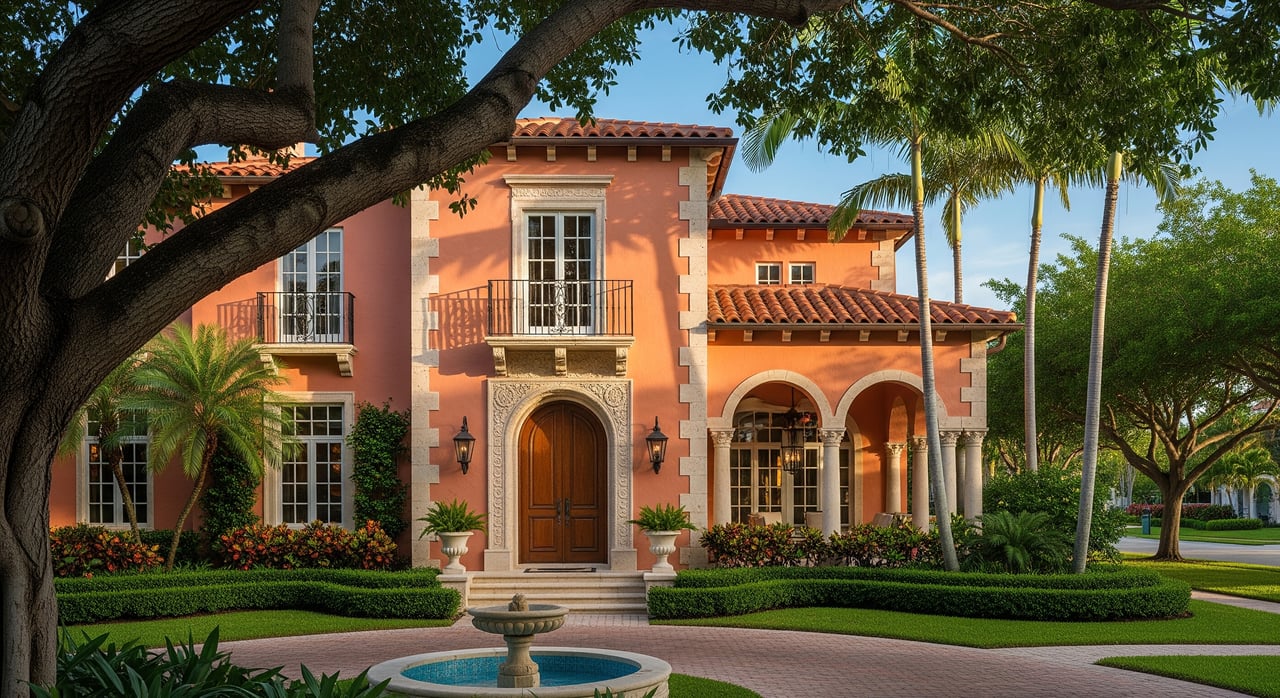
Is Coral Gables on your shortlist, but the options feel overwhelming? Between iconic tree-lined avenues, private waterfront enclaves, and homes with historic character, it can be hard to know where to begin. You deserve a clear plan that protects your time and capital while matching your lifestyle. This step-by-step guide gives you a confident path from neighborhood selection through closing, with practical checklists and local nuances to help you move decisively. Let’s dive in.
Clarify lifestyle and budget
Start with how you want to live day to day. Your answers will guide every choice that follows.
- Do you want waterfront access, canal views, or proximity to marinas?
- Would you prefer a gated enclave with controlled access or a non-gated street with unique character?
- Are you drawn to historic architecture or the flexibility of newer construction?
- How close do you want to be to shopping, dining, and cultural anchors like the University of Miami?
Financing and readiness
- If paying cash, prepare updated proof of funds before touring. Sellers value certainty.
- If financing, secure a strong pre-approval from a lender experienced in high-value homes.
- Talk timing early. Your lender’s appraisal capacity and underwriting for unique properties can shape your closing window.
Choose your Coral Gables micro-market
Coral Gables is a mosaic of micro-markets. Verify exact parcel details with the Miami-Dade Property Appraiser and confirm nuances with a local specialist before you bid.
Waterfront enclaves to watch
- Gables Estates: Large waterfront lots with deep-water access and privacy; often gated.
- Cocoplum: Upscale, often gated, with mature landscaping and sizable lots.
- Old Cutler Bay and the Old Cutler corridor: Waterfront options along Old Cutler Road with a mix of homes by age and style.
These areas can vary block to block on water depth, bridge clearance, and dock potential. If boating is essential, keep reading the waterfront section below.
Historic and inland districts
- Coral Gables Country Club area and the broader South and North Gables: A range of lot sizes, architecture, and some homes within historic districts.
- Historic preservation can shape renovation scope. If you plan additions or a full rework, confirm restrictions with the City of Coral Gables early.
Urban, walkable options
- Downtown Coral Gables and the Ponce/Downtown/Miracle Mile corridor: Consider condos and townhomes if you prefer a lock-and-leave lifestyle near shops and dining.
Understand zoning and preservation
Coral Gables enforces zoning, permitting, and historic preservation. If you plan significant changes, check setbacks, floor-area ratio, and historic district rules before drafting your offer. Approvals from the City’s Planning and Zoning and, where applicable, the Historic Preservation Board may be required.
Decide on gated or non-gated
Both paths work well in Coral Gables. The right choice depends on your priorities.
- Privacy and security: Gated communities provide controlled access and often private security.
- Amenities and services: Some gated enclaves offer parks, marinas, or shared facilities. Non-gated areas rely on municipal services.
- HOA governance and fees: Expect rules, architectural controls, and regular assessments in gated enclaves. These can affect rentals, exterior changes, landscaping, and guest parking.
- Resale and liquidity: Gated homes can command premiums but may narrow your buyer pool. Non-gated properties can appeal to buyers who prefer public access and distinctive character.
Tip: Request HOA or POA governing documents, financials, and recent meeting minutes early in diligence.
Evaluate waterfront specifics
Waterfront in Coral Gables mainly means bay, Intracoastal, canal, or lagoon access. Details matter for usability and long-term value.
Access, depth, and bridges
- Identify whether the lot has direct bay access or connects through canals and cuts.
- Confirm channel depth and any fixed bridges between the property and open water. Bridge clearance affects boat size.
- If a private dock is absent, check nearby marina availability and waitlists.
Seawalls, docks, and permits
- Seawalls and bulkheads have a design life and can be costly to replace. Verify age, condition, and any recent repairs.
- Confirm permits for docks, lifts, and pilings with Miami-Dade County and state agencies. Clarify whether structures are conforming and free of encroachments.
- Obtain a professional seawall and dock inspection, and a marine survey when applicable.
Flood zones and environmental rules
- Check FEMA flood zone designation and request any elevation certificate. Lenders require flood insurance for properties in mapped flood zones.
- Ask your insurance agent for quotes that include wind and flood coverage.
- Understand that coastal construction setbacks and mangrove protections can influence upgrades.
Quick waterfront checklist:
- Confirm water depth, fixed bridges, and route to open water
- Order seawall and dock inspections, plus a marine survey if needed
- Verify dock and lift permits, recorded easements, and property lines
- Review FEMA flood zone, elevation, and estimated insurance premiums
Prepare to compete
High-quality properties attract attention. Strengthen your position before you write the offer.
Market tempo and valuation
- Ask your agent for a comparative market analysis using recent closed sales in the same micro-market.
- Align strategy with supply, average days on market, and absorption. Unique and architecturally significant homes often require nuanced comps.
Offer structure that signals strength
- Earnest money: A larger deposit can show commitment while still protecting you with contingencies.
- Inspection period: In Florida, many buyers target 7 to 15 days. Keep it realistic for specialty inspections.
- Contingencies: Standard options include inspection, financing, and title. Luxury buyers often add seawall and dock inspections, HOA approval, and specific permit verifications.
- Escalation clauses: Useful in multiple-offer settings. Use carefully with an experienced agent.
- Cash versus financing: Cash can shorten timelines and remove appraisal risk. If financing, confirm your lender’s comfort with high-value or unique assets.
Sample timeline example:
- Day 0: Offer accepted and escrow opened
- Days 1–3: Schedule general, specialty, and marine inspections
- Days 7–15: Complete inspections and negotiate credits or repairs
- Days 15–30: Appraisal, financing updates, and title review
- Days 30–60: Final walk-through and closing
Verify specific dates with your agent, lender, and attorney before committing to a contract.
Complete thorough due diligence
Use a prioritized checklist to reduce surprises and protect your investment.
Title and survey
- Order a title commitment and review all easements, restrictions, and liens.
- Obtain a current boundary survey to confirm lot lines and any encroachments.
Inspections
- General home inspection for structure, roof, and systems
- Pest and wood-destroying organisms inspection
- Specialists as indicated: roof, pool, HVAC, electrical, plumbing, and mold
- Waterfront: seawall and bulkhead inspection, dock and lift review, marine survey as applicable
- Historic or renovation plans: structural and architect evaluations
Flood and elevation
- Verify FEMA flood zone and request an elevation certificate if available.
- Confirm flood insurance availability and estimated premiums with an insurance agent.
HOA or condo review
- Request the full resale package, bylaws, rules, recent financials, meeting minutes, and any pending assessments.
- Confirm rental policies and architectural approval procedures.
Permits and code compliance
- Pull the City of Coral Gables permit history to confirm prior work and identify unpermitted improvements.
Utilities, services, and taxes
- Confirm utility providers, irrigation sources, waste services, and any special district assessments.
- Review property tax history and homestead status through the Miami-Dade Property Appraiser.
Environmental and site risks
- For waterfront or older properties, ask about historic fill, prior sinkhole activity, or contamination history.
Insurance review
- Obtain quotes that include homeowner’s, windstorm, and flood coverage as applicable.
Close with confidence
Once under contract, expect the sequence below.
- Inspection period: Complete inspections and negotiate repairs or credits
- Financing and appraisal: Coordinate with your lender on timing and valuation
- Title and survey: Clear title objections and verify boundaries
- Final walk-through and closing: Sign with a title company or closing agent, then record
Most closings range from 30 to 60 days, depending on financing and property complexity. Unique or waterfront homes may need extra time for surveys, marine reports, or association approvals. Ask your title company for an itemized estimate of closing costs early so you can budget precisely.
Build your advisory team
The right specialists reduce risk and speed decisions.
- Coral Gables specialist buyer’s agent for micro-market insight, comps, and negotiation
- Real estate attorney for contract review, title issues, and closing representation, as desired
- Home and specialty inspectors, plus a marine surveyor for docks or lifts
- Licensed surveyor for boundaries and encroachments
- Title company or closing agent for title insurance, documents, and recording
- Mortgage lender for pre-approval, appraisal coordination, and loan structure
- Insurance agent for coastal, windstorm, and flood coverage quotes
- Architect or engineer for planned renovations and seawall engineering
- HOA or condo document reviewer when association rules are complex
As your principal advisor, Renier combines boutique, relationship-first guidance with private access and Compass resources. That includes discreet outreach for off-market or Private Exclusive opportunities and a thoughtful, architecture-forward lens on valuation.
Next steps
- Define lifestyle priorities and budget readiness.
- Narrow your micro-market and confirm zoning or historic considerations.
- Decide on gated versus non-gated based on privacy, services, and HOA rules.
- If waterfront, complete access, depth, and permit checks up front.
- Structure a strong offer with clear timelines and targeted contingencies.
- Follow a disciplined due diligence plan and close with confidence.
When you are ready to move from research to results, connect with Renier Casanova for a private, consultative plan tailored to your goals.
FAQs
Are docks guaranteed on Coral Gables waterfront lots?
- No. Dock feasibility depends on permits, channel depth, bridge clearance, and recorded easements. Confirm with inspections and local agencies.
Do gated communities always resell for more in Coral Gables?
- Gated homes often command premiums for privacy and security, but the buyer pool can be narrower. Resale depends on market conditions and property quality.
Do I need flood insurance to buy in Coral Gables?
- If your property is in a FEMA-designated flood zone and you use a federally backed mortgage, flood insurance is required. It is prudent to consider even when not mandatory.
What should I check before renovating a historic home?
- Confirm zoning, setbacks, and historic district rules with the City of Coral Gables and plan for formal reviews if the home or district is protected.
How long does it take to close on a Coral Gables home?
- Many transactions close in 30 to 60 days. Cash purchases can be faster, while waterfront or unique homes may need extra time for surveys and specialty reports.
Are short-term rentals allowed in Coral Gables?
- Short-term rentals are regulated by the city, and HOA or condo rules also apply. Review municipal ordinances and association documents before you buy.