Is South Gables on your shortlist but you are not sure how it stacks up for day-to-day family life? You want the right balance of tree-lined streets, nearby parks and reliable school options, without giving up easy commuting. In this guide, you will get a clear picture of how families actually live in South Gables and the Riviera area, from schools and parks to housing styles and daily routines. Let’s dive in.
What locals mean by “South Gables”
“South Gables” is a local, market term rather than a single official boundary. Most people use it to describe the southern portion of Coral Gables that includes Riviera, areas near the University of Miami, and the bayfront gated enclaves closer to Old Cutler. You will find quiet, leafy residential blocks with pockets of higher walkability near the Metrorail, Merrick Park and Miracle Mile.
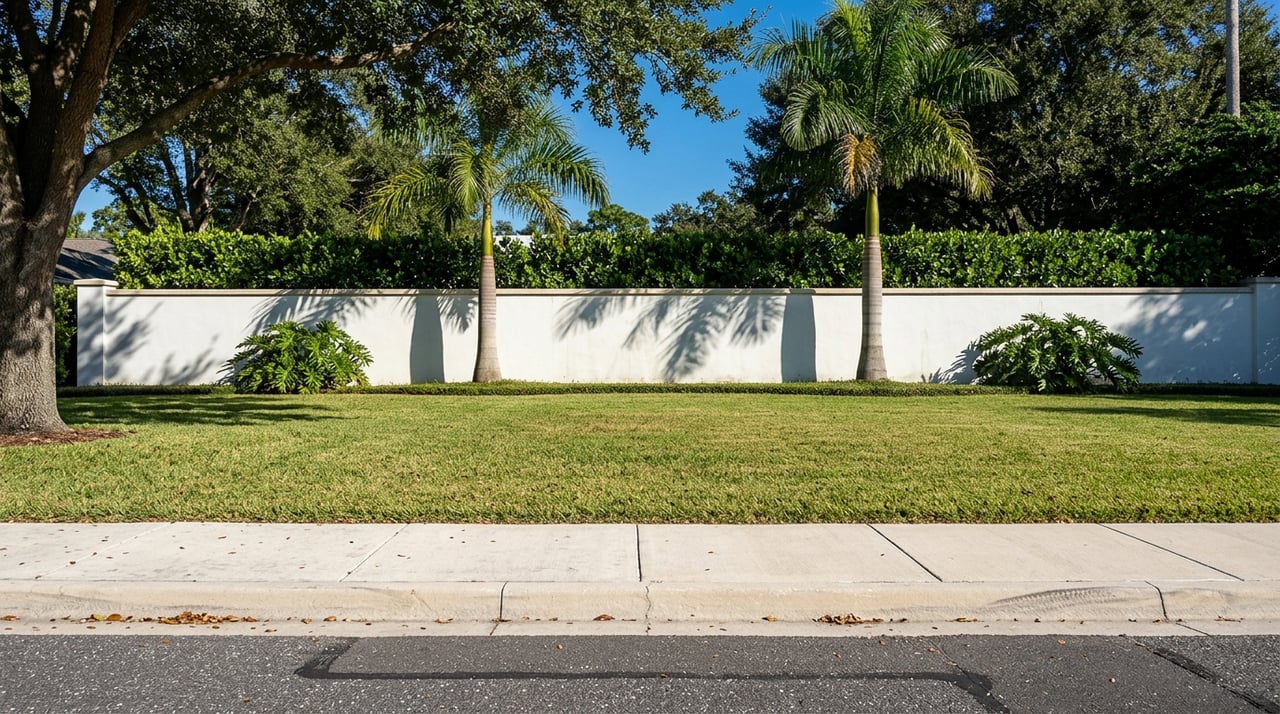
The feel is classic Coral Gables: low-rise streets under a thick canopy, sidewalks that invite evening strolls, and a mix of older homes and newer builds. Waterfront pockets introduce a different rhythm with canals, docks and private marinas.
Family life at a glance
Schools overview (public)
Public school assignment in Miami-Dade is address specific. In and around South Gables and Riviera, families often review George W. Carver Elementary (PK–5), Ponce de Leon Middle (6–8), Henry S. West Laboratory School (K–8 magnet), and Coral Gables Senior High (9–12). These schools are well known in the area, but exact zoning depends on the property address.
Always verify attendance directly with the district’s address tools and the school office, since boundaries and programs can change by year and program. For general school profiles, you can use federal resources such as the National Center for Education Statistics listings for local schools like Coral Gables Senior High.
Private and independent options
Many families also look at nearby private choices. Area options frequently considered include Carrollton School of the Sacred Heart, the Gulliver schools and several parochial schools and preschools. For a broad overview, see Coral Gables Magazine’s private schools guide.
Parks, pools and outdoor time
Coral Gables operates a wide network of neighborhood parks with playgrounds, sports courts and shaded picnic spaces. Jaycee Park, Maggiore Park, Salvadore Park and Merrick Park are regular stops for after-school energy and weekend play. You can browse the full list and addresses in the city’s parks and open spaces index.
For weekend outings, families often rotate between Fairchild Tropical Botanic Garden for camps and seasonal events, and Matheson Hammock Park for the calm atoll pool and marina. Explore current programs at Fairchild Tropical Botanic Garden. Inside Coral Gables, the historic Venetian Pool is a unique spot for lessons and summer afternoons.
Libraries and community programs
The Coral Gables Branch of the Miami-Dade Public Library System hosts children’s story times, homework help and seasonal activities, and many programs repeat during the school year. Check schedules and room reservations at the Coral Gables Branch Library. City recreation centers also offer youth sports, swim lessons and summer camps. Program calendars shift by season, so plan ahead for sign-ups.
Housing options by pocket
Riviera and Lower Riviera
Close to the University of Miami and Riviera Country Club, this area features tree-lined streets with post-war bungalows, mid-century ranches and newer replacements. Many lots are larger than typical city parcels, frequently in the 6,000 to 13,000 plus square foot range, with both remodeled homes and 3 to 6 bedroom custom builds. The result is a mature canopy, quiet blocks and a steady cadence of tasteful updates.
Cocoplum, Tahiti Beach and Journey’s End
On the southern side of South Gables, these gated waterfront neighborhoods deliver larger lots, private docks and homeowner associations that manage common amenities such as marinas and security. Many parcels range from a quarter acre to more than an acre, and the lifestyle leans toward privacy, boating and club facilities.
Gables Estates
This bayfront peninsula is one of Coral Gables’ most exclusive enclaves. Expect very large estate lots, guard-gated access and private docks. For buyers who prioritize waterfront access, privacy and larger footprints, it offers a distinct contrast to the more walkable Riviera pockets.
Old Cutler and Sunset corridors
Curving, canopy streets and a quieter, suburban feel define these stretches. You get larger setbacks, meandering bike routes and easy access to destination parks like Fairchild and Matheson. Daily errands are usually car based, and many homes are buffered by mature landscaping.
Condos and townhomes near transit and shops
If you want walkability with less yard maintenance, look to low-rise condos and townhomes near Shops at Merrick Park, the University Metrorail Station and downtown Coral Gables. These can suit small families or those starting in the area who value proximity to cafés, groceries and transit.
Architecture and local design DNA
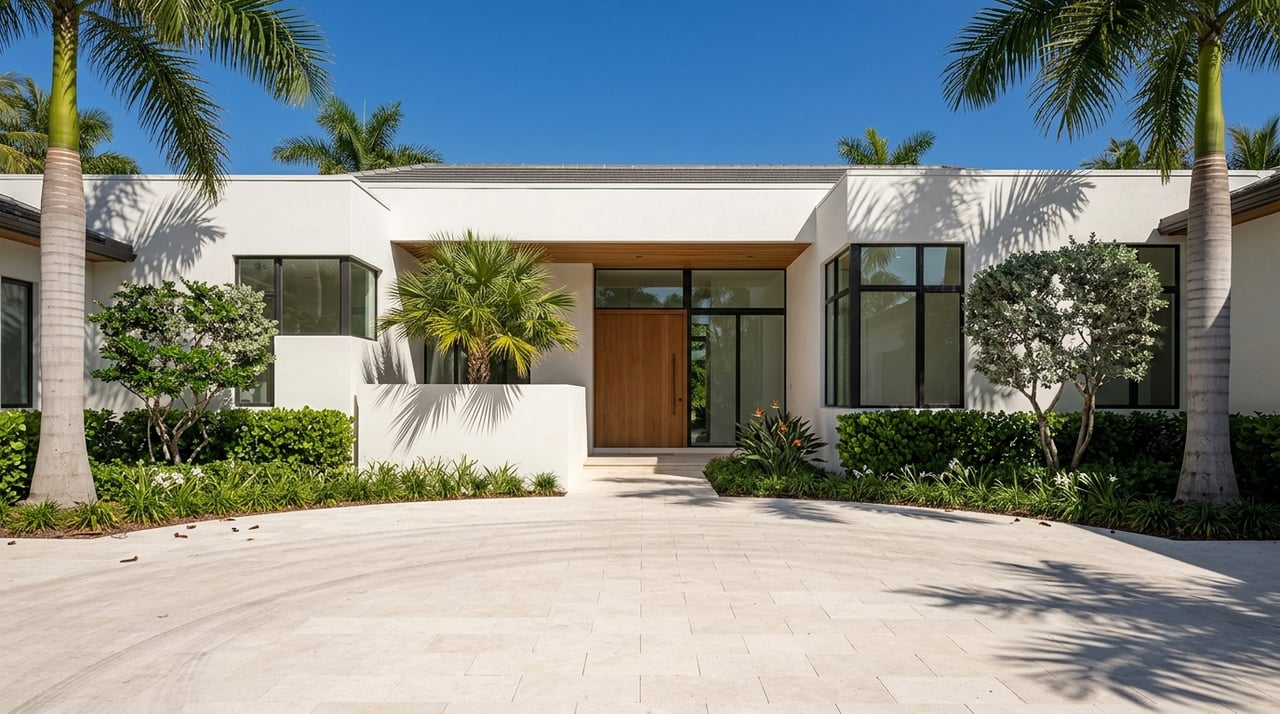
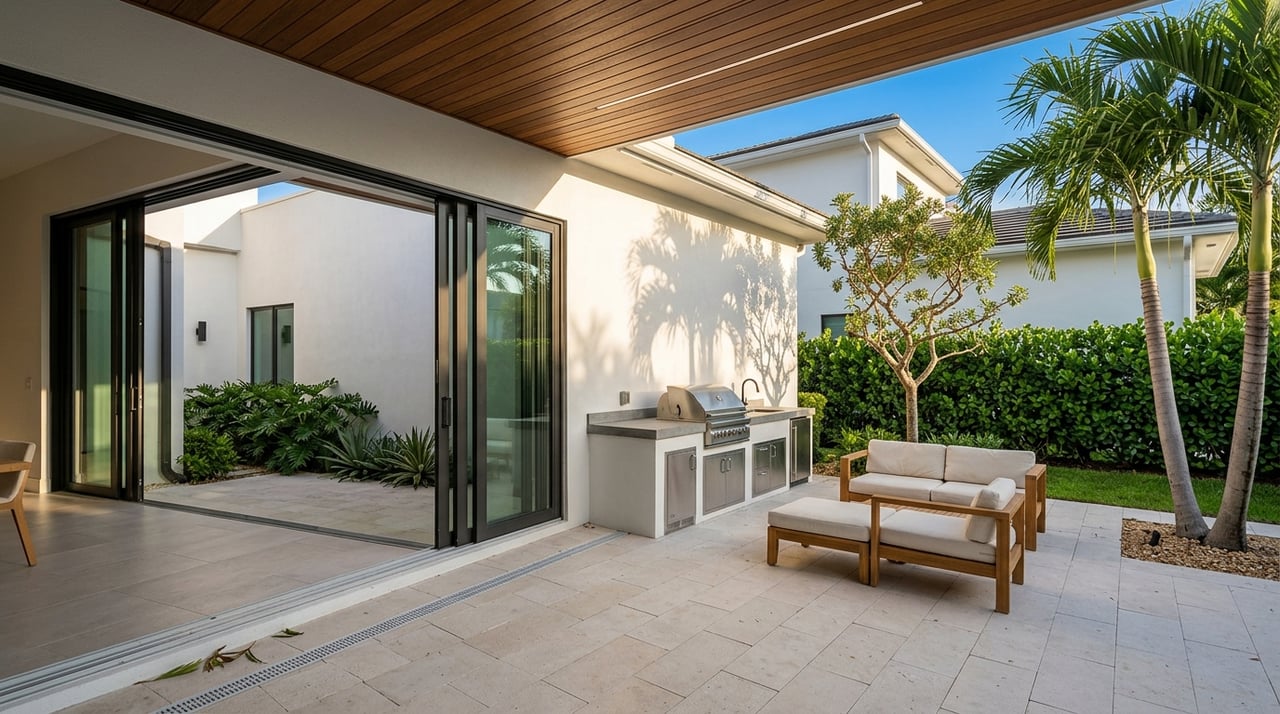
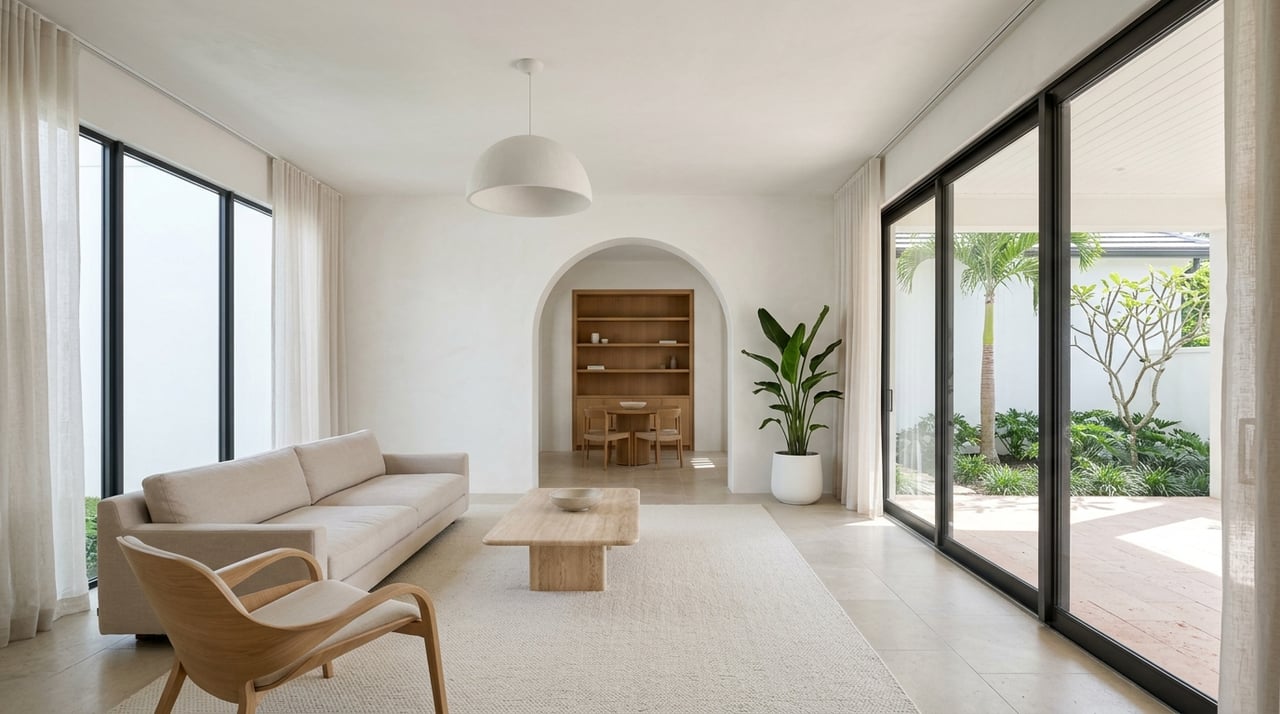
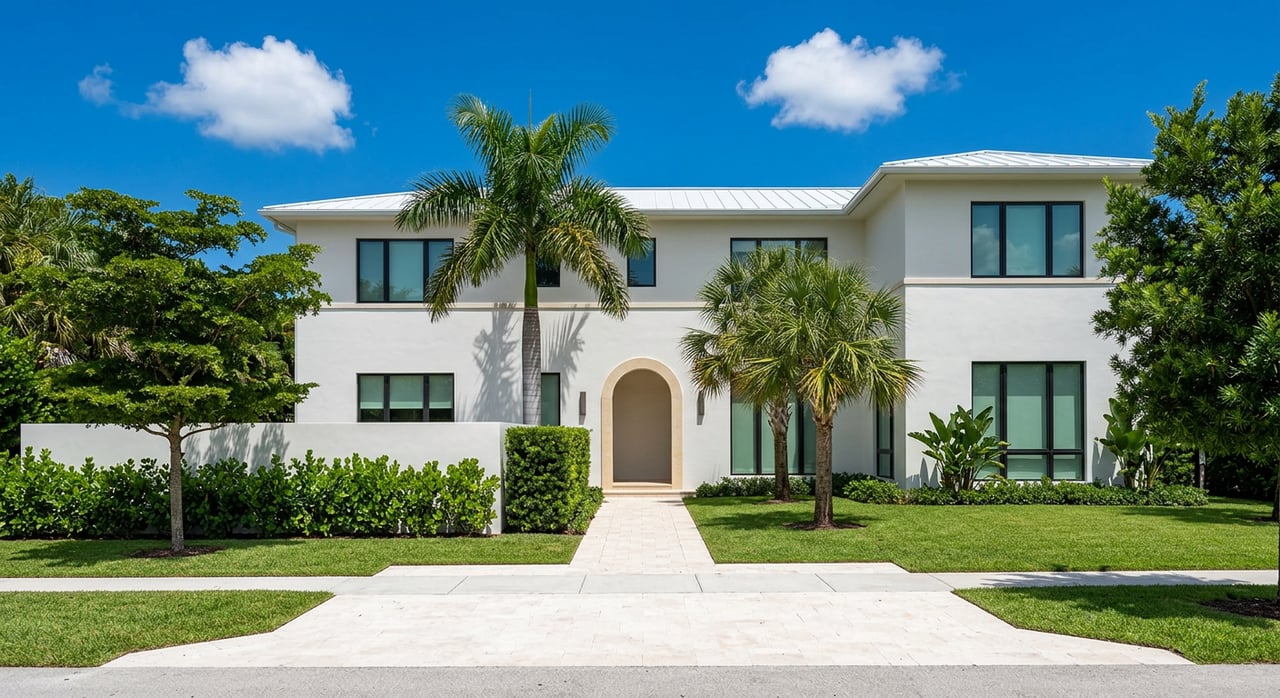
Coral Gables is known for its Mediterranean and Spanish Revival influences, guided by City Beautiful principles. You will see arched openings, clay tile roofs and stucco alongside modern tropical builds that open to the garden. To place that heritage in context, the Coral Gables Museum and landmarks like the Biltmore and the Merrick House anchor the city’s visual identity.
Zoning, design review and an active historic preservation program shape what you can change or build. If you are planning a large remodel or a demolition-rebuild, consult the City’s planning and building divisions early. For background on historic character and protected sites, review local resources such as 100 Coral Gables historic sites.
Getting around: walkability, transit and drives
Walkability varies by pocket
Parts of downtown Coral Gables, Miracle Mile and the blocks near University Station are significantly more walkable, with access to cafés, groceries and services. Interior Old Cutler corridors are more car dependent. To see how addresses differ, review sample scores like this Walk Score view for Coral Gables.
Transit options that matter
Two Metrorail stations shape many South Gables routines: University Station and Douglas Road Station. They connect to the Green and Orange lines for service to Brickell, Downtown and Dadeland. The City also operates trolley circulators that link downtown Coral Gables to Metrorail. Review station details through Miami-Dade Transit’s Metrorail stations page.
Driving patterns and typical times
US-1 (South Dixie Highway) is the primary north-south spine. Bird Road, Ponce de Leon Boulevard and Sunset Drive are common east-west connectors. Le Jeune Road and Red Road are familiar routes for school runs and trips to neighboring areas. Drive times vary by time of day, but many residents estimate roughly 15 to 30 minutes to Brickell or Downtown and 15 to 25 minutes to Miami International in lighter traffic. For your specific schedule, check live estimates on your map app during commute hours.
Picture your routine
Family A: Walk-first lifestyle
You choose a home or condo within a block or two of University Station. One parent rides Metrorail to Brickell, errands and after-school programs are mostly on foot, and weekends rotate between Venetian Pool and a bike ride to Matheson’s atoll pool. The tradeoff is a smaller yard, but the convenience pays off every weekday.
Family B: Yard and privacy
You prioritize a larger lot in Cocoplum or along Old Cutler. Daily errands are by car, and the family uses regional parks for weekend activities. School runs might use private options or a bus where available. The upside is space, privacy and direct access to boating or nature.
Practical checklist before you buy
- School verification. Confirm zoning with the district’s address tools and call schools directly about program options and timelines. Use federal listings like NCES profiles for general context, but rely on the district for attendance authority.
- Flood, elevation and insurance. Review FEMA flood maps, request a seller’s insurance history, and ask about finished-floor elevation, base flood elevation and any past storm impacts.
- Lot and build constraints. Coral Gables has strict zoning, design review and tree-preservation rules. If you plan significant changes, speak with the City and a local architect early, and review heritage guidance like historic sites resources.
- HOA and private-community rules. Gated neighborhoods often have architectural guidelines, budgets and amenity rules. Request covenants and financials before you finalize terms.
- Community services and data. For municipal services and to locate official city contacts, start with Coral Gables resources such as the City’s community overview. For address-level crime or incident data, use official reporting tools and local agencies.
How we help
Choosing the right pocket in South Gables is about fit. You want clear guidance on schools and daily routines, discreet access to on and off-market options, and a calm, data-informed process from first tour to closing. As a Compass-affiliated, boutique team, we pair neighborhood mastery with programs that enhance results, including Compass Concierge for pre-sale improvements, Private Exclusive for discreet distribution and Bridge Loans that provide flexibility when timing matters.
If you are weighing Riviera’s tree-lined blocks against a gated waterfront address, we can help you compare lot sizes, renovation potential, HOA frameworks and daily logistics side by side. For sellers, we focus on architecture-forward presentation and private buyer outreach to protect your time and privacy while pursuing premium outcomes.
Ready to explore South Gables with a local advisor you can trust? Connect with Renier Casanova to request a private consultation.
FAQs
Which South Gables schools serve my exact address?
- Public school assignment is address specific, so confirm with the district’s lookup tools and call schools directly; use federal listings like NCES profiles for general context only.
Are there nearby private schools in Coral Gables?
- Yes, many families consider options like Carrollton and Gulliver; review the area through Coral Gables Magazine’s private schools guide.
How walkable is Riviera compared to other pockets?
- Walkability increases near University Station, Merrick Park and Miracle Mile, while Old Cutler interiors are more car dependent; compare addresses using a Walk Score sample for Coral Gables.
What are typical lot sizes in Riviera and the gated waterfront areas?
- Riviera lots often range from about 6,000 to 13,000 plus square feet, while gated waterfront communities offer larger parcels that can exceed a quarter acre and reach an acre or more.
What family-friendly activities are close by on weekends?
- Local favorites include neighborhood parks, the Venetian Pool, Matheson Hammock’s atoll pool and the programs at Fairchild Tropical Botanic Garden.
Can I commute by train from South Gables?
- Many residents use University and Douglas Road Metrorail stations, which connect to Brickell, Downtown and Dadeland; check routes and schedules on Miami-Dade Transit’s Metrorail page.