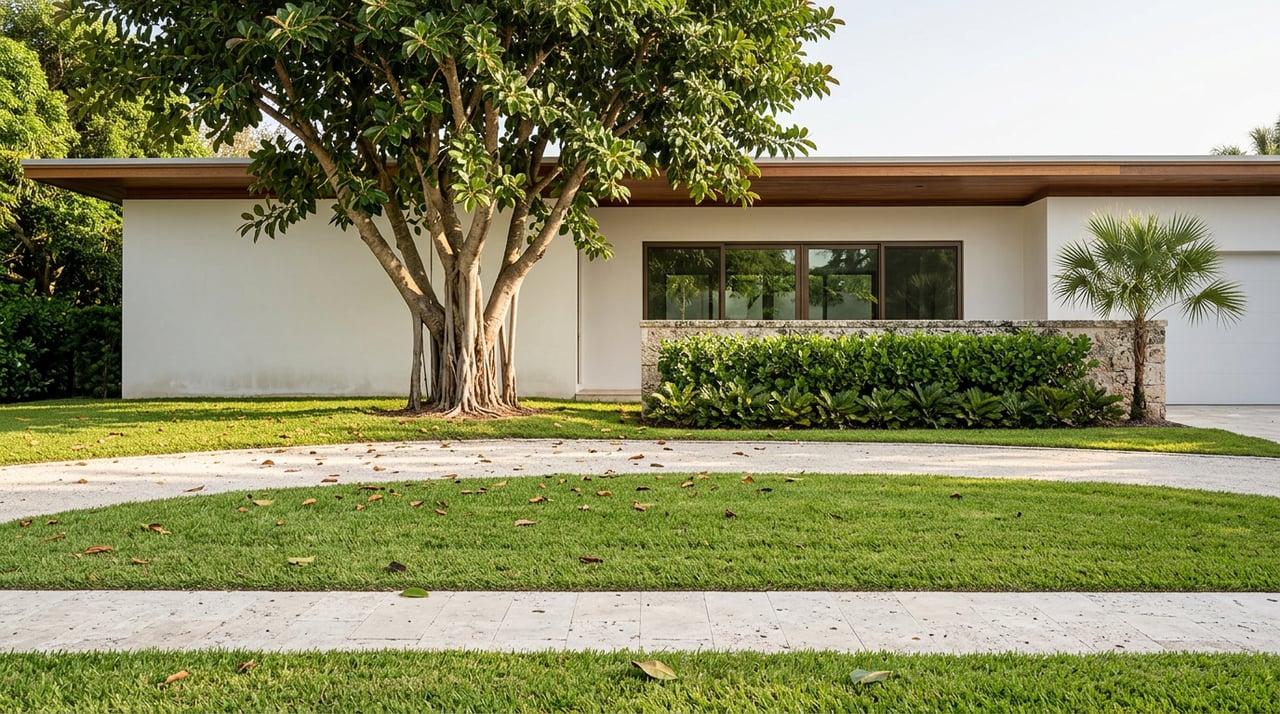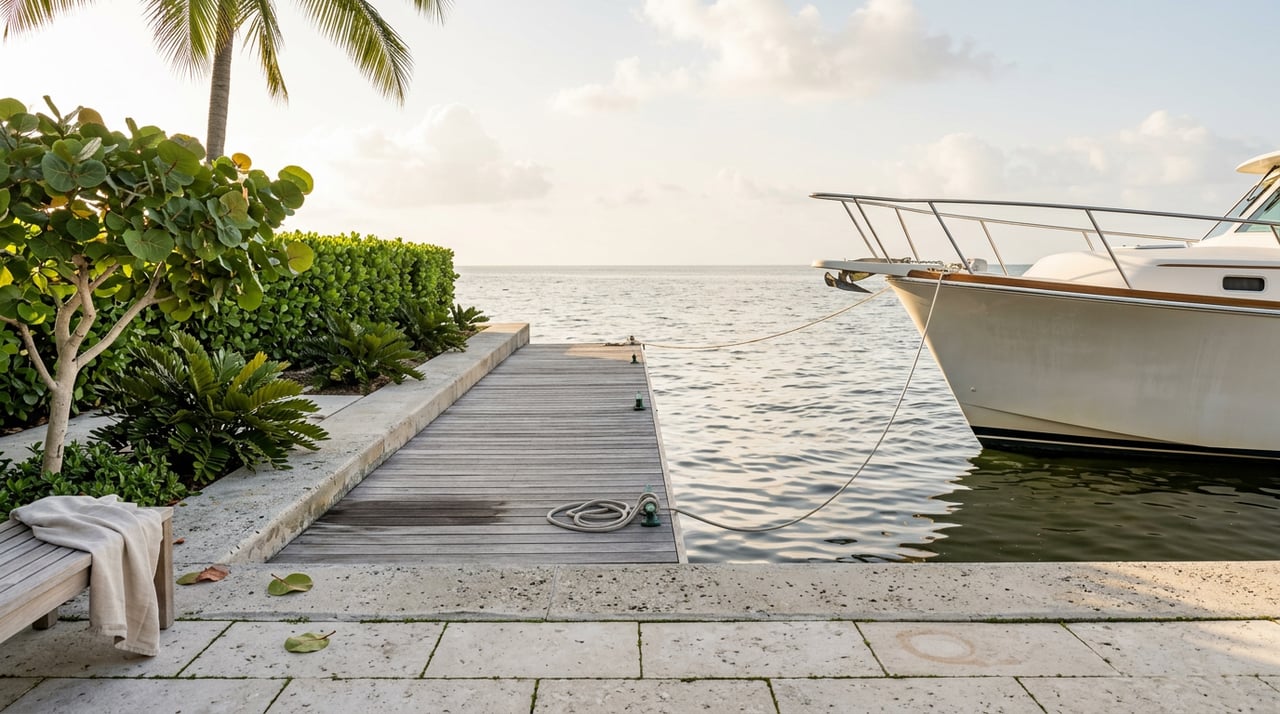
Buying on a Miami Beach island sounds simple until you realize each one offers a very different version of waterfront living. Some islands make cross-bay access easier, some feel more private and tucked away, and some work better if you want a second home that is easy to enjoy without a lot of day-to-day complexity. If you are weighing where to focus your search, the real question is not which island is best, but which tradeoff fits your lifestyle best. Let’s dive in.
What island living means in Miami Beach
Miami Beach is a barrier-island community between Biscayne Bay and the Atlantic Ocean, and the city identifies several bordering residential islands, including Palm, Star, Hibiscus, the Venetian Islands, the Sunset Islands, La Gorce, Allison Island, and Normandy Island. According to the City of Miami Beach, choosing an island address is often more about access, water orientation, and seclusion than a simple waterfront versus non-waterfront decision.
That distinction matters if you are buying at the luxury level. Two homes may both offer water views, but the day-to-day experience can feel very different depending on how quickly you want to reach the mainland, how quiet you want your surroundings to be, and whether you want a more urban setting or a more estate-like address.
Start with your main priority
Before comparing islands one by one, it helps to decide what matters most to you. In Miami Beach, buyers usually narrow the field fastest by focusing on one of these priorities first:
- Privacy and seclusion
- Cross-bay convenience
- Boating potential
- Second-home simplicity
- Access to Miami Beach amenities
Once you know your top priority, the island shortlist becomes much clearer. That is especially true in a market where island living often blends lifestyle value with ongoing public infrastructure and resilience planning.
Infrastructure matters more than many buyers expect
When you buy on a Miami Beach island, you are not just buying a home. You are also buying into a living neighborhood system with roads, bridges, drainage, utilities, and city improvement projects that can shape your ownership experience over time.
The city’s 2024 resilience update prioritized $95 million in infrastructure improvements across Miami Beach, including Palm and Hibiscus islands and Sunset Islands 3 and 4. Separate city project pages also show work on the Venetian Islands and Sunset Islands II and III, which is a useful reminder that these are active residential communities with long-term public investment.
Venetian Islands: connected and classic
The Venetian Islands are often one of the first places buyers consider when they want a bayfront setting without feeling overly removed from the city. The city’s neighborhood association page notes that the Venetian Islands HOA represents Rivo Alto, Di Lido, and San Marino islands, along with part of the Venetian Causeway.
The Venetian Causeway has long been central to cross-bay access, and the city notes it opened in 1926 as a connection between Miami Beach and the mainland. In 2024, Miami Beach also completed milling and resurfacing on Venetian residential streets, which adds another practical point for buyers looking at long-term usability and neighborhood upkeep.
For many buyers, Venetian works best if you want a connected, in-town feel with a strong waterfront backdrop. It often suits those who expect regular movement between Miami Beach and the mainland and who want an address that feels established, scenic, and relatively convenient.
Why buyers choose Venetian
- Strong cross-bay positioning
- Classic bayfront setting
- More connected feel than the most secluded estate islands
- Good fit for buyers who want access without giving up an island address
Sunset Islands: quiet and residential
The Sunset Islands appeal to buyers who value privacy but still want practical access to the western side of Miami Beach. The city treats Sunset Islands I and II separately from Sunset Islands III and IV, and city records note that Sunset Islands I and II are reached by a single bridge at the entry of Island No. 1 from 29th Street, plus a secondary bridge from Island No. 1 to Island No. 2.
That bridge-access pattern helps explain why Sunset often feels more tucked away. At the same time, its location can make it attractive if you want a quieter residential address with relatively easy access to areas like Sunset Harbour.
The city is also upgrading water and sewer infrastructure in Sunset Islands II and III, with work expected to finish in May 2026, and the 2024 resilience plan includes Sunset Islands 3 and 4. For buyers, that means Sunset is not just about privacy. It is also part of a broader city focus on resilience and neighborhood improvement.
Why buyers choose Sunset
- Quiet residential feel
- Strong sense of privacy
- Bridge-accessed setting
- Convenient western Miami Beach positioning
Palm, Hibiscus, and Star: estate-style waterfront living
If your search is centered on privacy, scale, and an unmistakable bayfront presence, Palm, Hibiscus, and Star Islands are usually at the top of the list. City documents place Palm and Hibiscus midway between Miami and Miami Beach off the MacArthur Causeway, surrounded by waterways, with the shipping channel to the south. The city also groups Palm, Hibiscus, and Star together in one neighborhood association, as shown in this city reference document.
These islands also include public-realm amenities such as Palm Island Park, Hibiscus Island Park, and Buoy Park on Star Island. While every property differs, the overall setting here tends to feel more estate-like than the more urban island options.
For many high-end buyers, this cluster represents the strongest match for privacy, status, and wide-water living. It can be especially appealing if you care more about seclusion and a strong residential identity than quick access to nightlife or a lock-and-leave condo rhythm.
Why buyers choose Palm, Hibiscus, or Star
- Estate-style island character
- Strong privacy profile
- Wide-water orientation in many settings
- Clear appeal for buyers focused on waterfront presence
A note for boating-minded buyers
Palm, Hibiscus, Star, and parts of the Venetian Islands are often the clearest options for buyers focused on waterfront living and boating potential. That said, boating utility depends on the specific property, including the lot, dock configuration, and seawall condition, so it is important to evaluate each home individually rather than assume the entire island offers the same setup.
Belle Isle: urban, flexible, and second-home friendly
Belle Isle is often an excellent choice if you want an island address with a more urban rhythm. It has its own residents association and a city park, and the Belle Isle Park page highlights a South Beach location on Island Avenue with a playground, bark park, and metered public perimeter parking. The city also opened a new Belle Isle dog park in 2025.
For buyers who want a pied-à-terre or second home, Belle Isle often stands out because it can feel more manageable and more lock-and-leave friendly than the single-family estate islands. You still get a water-edge setting, but with easier access to the broader Miami Beach lifestyle.
Why buyers choose Belle Isle
- Good fit for a second home or pied-à-terre
- More urban feel than estate islands
- Water-edge address with practical convenience
- Access to nearby South Beach activity without being in the middle of it
La Gorce and Allison Island
For a broader Miami Beach search, it is also worth knowing that the city’s island list includes La Gorce and Allison Island. La Gorce Island has its own homeowner association and a city park at 6421 Alton Road, while Allison Island appears separately in the city’s neighborhood association roster, according to the City of Miami Beach island and neighborhood resources.
These islands can matter in a custom search, especially if your priorities are highly specific. Still, for many out-of-market buyers starting with South Beach and central bayfront options, Belle Isle, Venetian, Sunset, and Palm-Hibiscus-Star usually frame the clearest first comparison.
Which island fits your lifestyle?
If you are still narrowing the field, this simple framework can help.
Choose Venetian if you want convenience
Venetian is often the best fit if frequent cross-bay movement matters to you. In addition to causeway access, Miami Beach’s free water taxi runs between Maurice Gibb Memorial Park and the Venetian Marina & Yacht Club in downtown Miami, with the city listing a travel time of about 20 minutes and no delays from bridge openings on its water taxi information page.
Choose Sunset if you want privacy without feeling remote
Sunset often works well if you want a quiet residential setting and a strong sense of separation, but still want practical access to western Miami Beach. It strikes a middle ground between convenience and seclusion.
Choose Palm, Hibiscus, or Star if you want a flagship address
These islands are usually the best fit for buyers who want an estate-like setting with a strong waterfront identity. If privacy, scale, and presence lead your list, this is often where the search becomes most focused.
Choose Belle Isle if you want flexibility
Belle Isle is often the easiest island choice for buyers who want a second home, a lower-maintenance lifestyle, or a more urban island experience. It can offer a balanced mix of water-edge living and practical day-to-day access.
Don’t overlook the broader Miami Beach experience
Island living does not mean isolation. Miami Beach’s visitor resources highlight citywide access to walkable shopping, arts, the Beachwalk, and trolley connections, which helps explain why some islands trade a bit of seclusion for easier access to the city core. You can explore that broader context through the city’s Miami Beach visitor guide.
In practice, that means your decision often comes down to how you want to live when you are not inside the house. Some buyers want a quiet, private retreat. Others want to be able to move easily between home, the mainland, and Miami Beach’s cultural and waterfront amenities.
A smart island search starts with the right lens
The best Miami Beach island for you is the one that matches your daily rhythm, not just your wish list. Access patterns, privacy, water orientation, second-home ease, and current infrastructure planning all deserve a place in the conversation before you make a decision.
If you want a discreet, tailored perspective on which island aligns best with your goals, Renier Casanova can help you evaluate the tradeoffs, identify the right fit, and approach your Miami Beach search with clarity and confidence.
FAQs
Which Miami Beach island is best for easy access to the mainland?
- The Venetian Islands and Belle Isle are often the strongest choices for buyers who want easier cross-bay access and a more connected feel.
Which Miami Beach islands feel the most private?
- Palm, Hibiscus, and Star Islands are generally the most estate-like and private, with the Sunset Islands also offering a strong sense of seclusion.
Which Miami Beach island is best for a second home?
- Belle Isle is often a leading choice for a pied-à-terre or second home because it feels more urban and lock-and-leave friendly than the larger estate islands.
Are all Miami Beach island homes equally good for boating?
- No. Boating utility depends on the specific property, including the lot, dock setup, and seawall condition, not just the island name.
Do Miami Beach island buyers need to consider infrastructure projects?
- Yes. City resilience and infrastructure work can affect long-term ownership experience, so it is smart to review current neighborhood projects as part of your search.