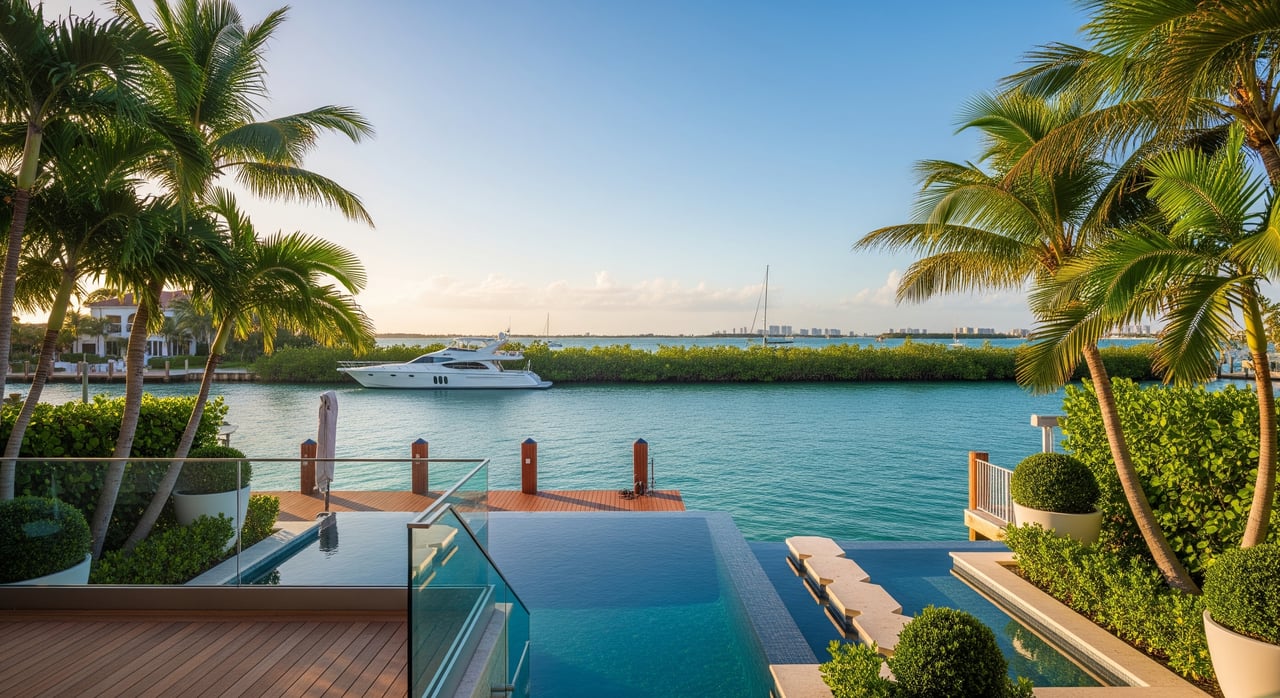
Choosing between the calm of a protected canal and the drama of open Biscayne Bay shapes your daily life in Sunrise Harbour. If you plan to keep a boat, entertain outdoors, or simply want a peaceful view, the water in front of your home matters. You want clarity on wake, wind, privacy, and upkeep before you buy or sell. In this guide, you will compare real-world tradeoffs so you can move forward with confidence.
Let’s dive in.
Sunrise Harbour context
Sunrise Harbour sits on the Biscayne Bay waterfront corridor in Coral Gables, with canals that feed directly into the bay. You have quick proximity to regional marinas, downtown Miami, and coastal infrastructure, which is ideal if you use a boat for recreation or commuting. The micro-market is shaped by tides, shallow bay depths, boating traffic patterns, and seasonal weather. Understanding these factors will help you decide which waterfront fits your lifestyle.
Boating and dock access
Canal-front homes
Canal docks in Sunrise Harbour typically sit on narrower, protected waterways. Water is calmer, which makes docking simpler and day-to-day use more comfortable for small to medium vessels. Depths can vary by canal and tide, so you should confirm mean low water at the dock, vessel draft limits, and any bridge or no‑wake constraints. In tight canals, larger boats may face maneuvering limits and closer proximity to neighboring docks.
Bayfront homes
Homes on Biscayne Bay usually enjoy quicker access to deeper water and channels, which suits larger vessels and faster transit to the ocean. The tradeoff is more exposure to wakes, wind chop, and swell. You may need more robust mooring systems, heavier lines, and larger pilings. If the property sits near a navigation route, expect more boat traffic and potential noise.
Wake and wind exposure
Canal conditions
Because canals have short fetch, waves and wakes dissipate faster. That creates a calmer setting for tender storage, kids near the dock, and relaxed dockside dining. You will still feel engine noise or fumes if a neighbor runs large outboards in close quarters, but overall motion tends to be reduced.
Bay conditions
Biscayne Bay offers wide, uninterrupted water and typical afternoon sea breezes. That openness produces more frequent chop and passing wakes. It can affect dock comfort, shoreline landscaping, and any low-lying hardscape. If you prize serene water right off your terrace, this additional motion is an important factor.
Privacy and sightlines
Canal perspectives
On a canal, you often have a neighbor’s dock across the waterway, so sightlines are closer. That can reduce privacy, though it also fosters a friendly, community feel when you recognize neighbors by boat and routine.
Bay perspectives
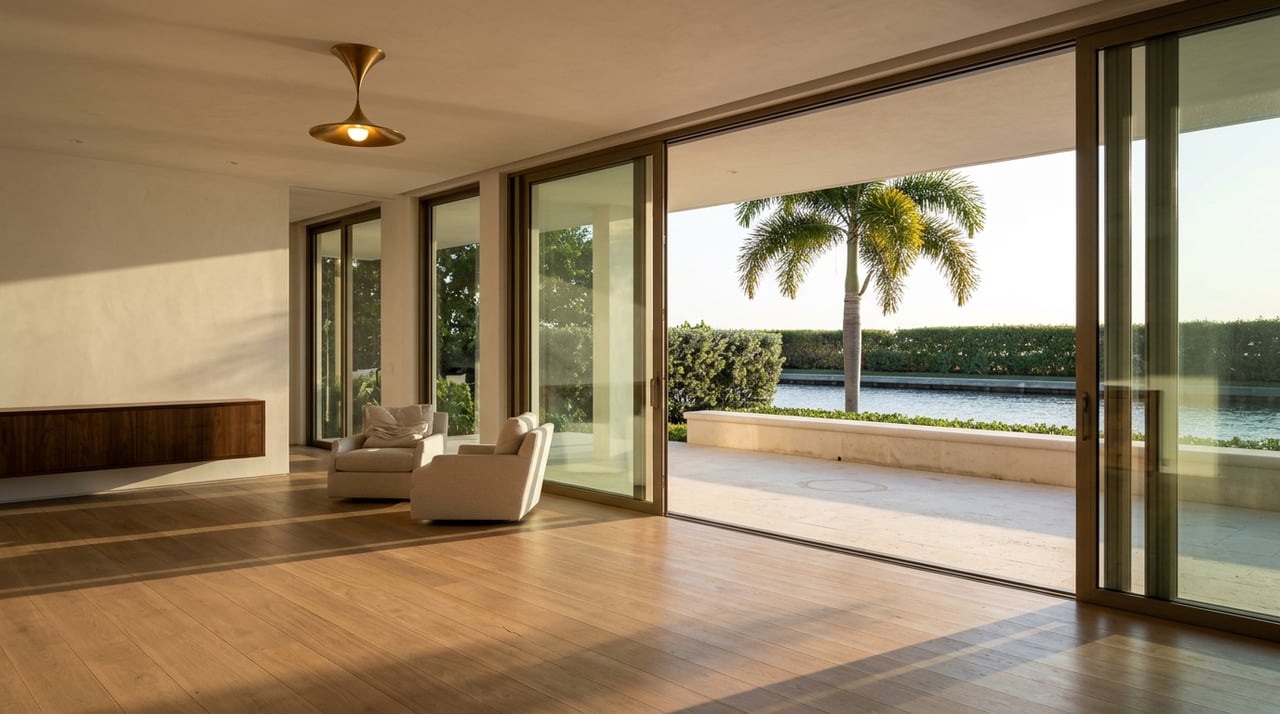
On the bay, you look over wider water with fewer immediate sightlines. Views open to the skyline and horizon, which increases perceived privacy. If unobstructed panoramas are a top priority, bayfront living delivers that visual drama.
Outdoor living and recreation
Canal activities
Calmer water is well suited to paddleboarding, kayaking, and fishing off the dock. Families often prefer the lower wake environment for small craft and kids’ activities close to home. Launching and recovering gear is simpler when the water is stable.
Bay activities
Bayfront living caters to quick departures for day trips, offshore fishing, or cruising. Wide terraces overlook scenic water, sunrises or sunsets, and city lights. If you plan frequent larger-boat outings, the convenience of bay access stands out.
Seawalls, docks, and permits
Seawall and dock condition is central on both canal and bay. You should inspect the seawall or bulkhead for cracking, leaning, or undermining, and evaluate pile strength, decking, and utilities at the dock. In saltwater, materials face corrosion and marine borer risk. Work on seawalls or docks generally requires permits from local authorities, and projects near seagrass or mangroves can have added constraints. A qualified marine surveyor or engineer can document current condition and life expectancy.
Depth, dredging, and navigation
Canal depths vary with tide and history. Some canals require periodic dredging, and responsibility can rest with the owner, HOA, or county. Confirm who maintains depth and whether permits are current. Bayfront sites often enjoy deeper water, but you should still map nearby channels and understand any seasonal shoaling. Always verify water depth at mean low water at the specific dock where you plan to moor.
Flood, surge, and insurance
Both canal and bayfront properties sit in a coastal region with hurricane and storm-surge risk. Open bay homes typically see higher wave energy during storms, while canals can flood more readily with high tides and surge. Flood insurance depends on FEMA flood zone, structure elevation, past claims, and mitigation features. Premiums and underwriting standards have tightened in recent years, so you should obtain quotes early and review any claim history for a property. Many buyers now weigh total cost of ownership that includes insurance, dock upkeep, and resilience investments.
Environmental and wildlife context
Biscayne Bay supports seagrass, mangroves, and manatee populations. You will encounter boat speed and protection zones and local no‑wake rules. Dock or seawall work near these resources can include timing limits or mitigation requirements. Water quality and seagrass health influence fishing and clarity conditions, which are good to monitor if that is important to you.
Local rules and governance
Covenants or HOA rules may limit dock length, vessel types, overnight mooring, or visible boat storage. Municipal and county ordinances address docking, no‑wake zones, noise, and discharge. Before you commit, confirm the specific rules for the property and any planned upgrades.
Resale and demand
Waterfront homes generally command a premium, but preferences differ. Some buyers will pay more for unobstructed bay views and deepwater access for larger vessels. Others favor sheltered canals for family-friendly use and calmer water. Liquidity can vary by block, sightline, and vessel flexibility. Rising insurance and maintenance costs also shape the buyer pool, so clear documentation of seawall condition, elevation, and dock capacity helps protect resale.
Quick comparison
| Factor | Canal-front | Bayfront |
|---|---|---|
| Boating practicality | Calmer water, easier daily docking; may limit larger vessels | Faster deepwater access; better for larger boats |
| Wake and wind | Lower chop and wakes | Higher chop and wakes, more wind exposure |
| Privacy and views | Closer sightlines to neighbors | Panoramic views, wider sightlines |
| Small-craft use | Strong fit for paddling and kids | Better for quick larger-boat trips |
| Storm and surge | Lower wave energy, potential canal flooding | Higher wave energy, surge exposure |
| Dock demands | Standard mooring often sufficient | More robust pilings, heavier lines recommended |
Buyer checklist for Sunrise Harbour
- Confirm water depth at the dock at mean low water and vessel draft fit.
- Review recorded permits and dates for seawall, dock, and piling work.
- Verify dock size, vessel limits, and no‑wake or bridge constraints with local authorities or HOA.
- Ask who is responsible for canal dredging and whether permits are current.
- Obtain flood and wind insurance quotes early and review prior claims.
- Check for environmental considerations such as seagrass, mangroves, or manatee zones that affect dock work.
- Ask about boat traffic patterns and wake at peak times.
- Request any notices about upcoming dredging, seawall projects, or infrastructure changes.
Inspections that matter
- Hire a marine surveyor to inspect the seawall or bulkhead, look for undermining, and test dock and piling integrity.
- Confirm dock electrical and water utilities are safe and appropriately sized.
- Obtain a recent depth survey at the dock and along the access route.
- Review title and survey for riparian rights or easements that could limit dock changes.
Choosing your fit
If you want quiet water for everyday paddleboarding and easy docking, a canal home may fit your routine. If you plan to keep a larger vessel or crave horizon views, bayfront will likely feel worth the added exposure and mooring needs. Many owners value calm canals for family life and use a nearby marina for bigger boats. Others prioritize the immediacy and prestige of the bay view and accept higher resilience and insurance planning as part of ownership.
The right answer is the one that aligns with how you live, boat, and entertain. A clear view of depth, dock condition, risk profile, and community rules will help you make a confident choice in Sunrise Harbour.
If you want a discreet, data-informed plan for your next move, connect with Renier Casanova for a private consultation tailored to Sunrise Harbour.
FAQs
What are typical boating limits for Sunrise Harbour canals?
- Canal depth and width vary by location, so confirm mean low water, vessel draft, and any bridge or no‑wake rules with local authorities or your HOA before you buy.
How does Biscayne Bay wake affect a Sunrise Harbour dock?
- Open bay homes face more wind chop and passing wakes, which can impact comfort and shoreline; robust pilings and heavier lines are often advisable.
How do flood and insurance needs differ for canal vs bay homes?
- Both face coastal risk; bayfront sees higher wave energy while canals can flood with high tides and surge. Insurance depends on FEMA zone, elevation, and prior claims, so get quotes early.
What should I inspect on a seawall or dock before closing?
- Have a marine surveyor review the seawall or bulkhead for cracking or undermining, check piling integrity, utilities at the dock, and verify water depth at mean low water.
Who handles dredging for a Sunrise Harbour canal?
- Responsibility may rest with the owner, HOA, or county. Ask for documentation on who maintains depth and whether permits are current.
Are there wildlife or environmental rules that affect my dock plans?
- Yes. Areas with seagrass, mangroves, and manatees can carry speed limits, no‑wake zones, timing restrictions, and mitigation requirements for marine construction.