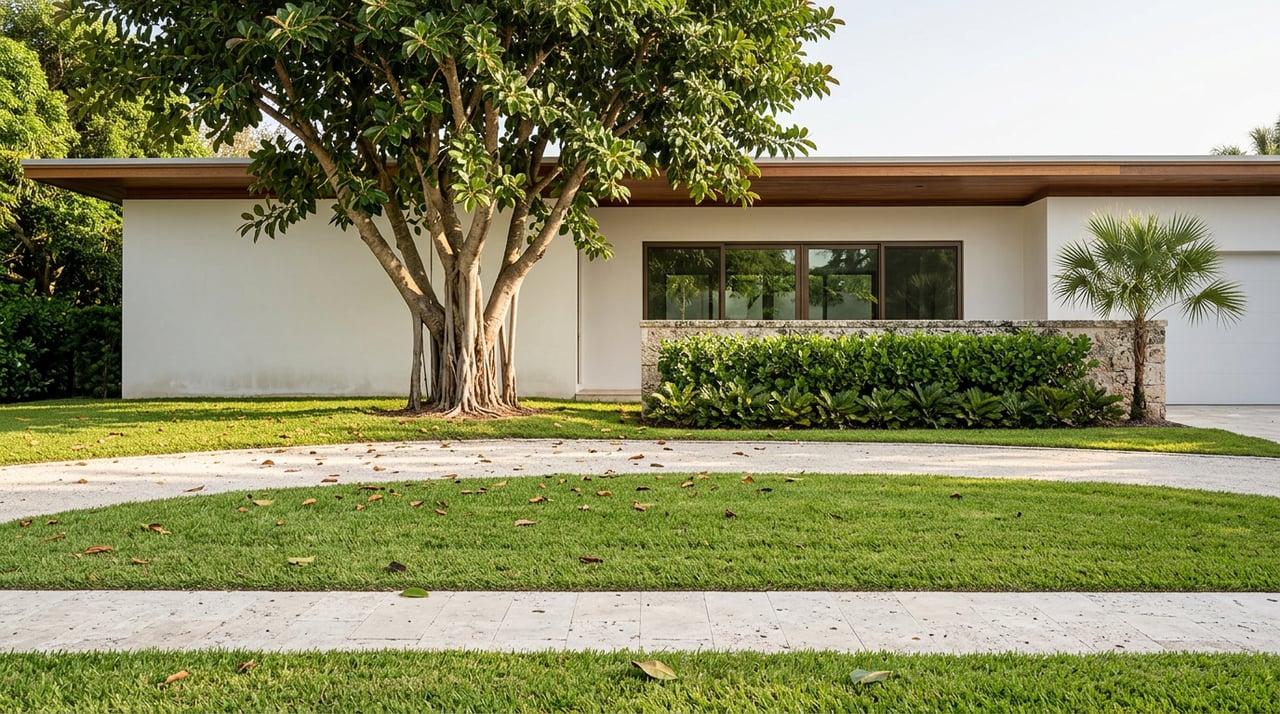
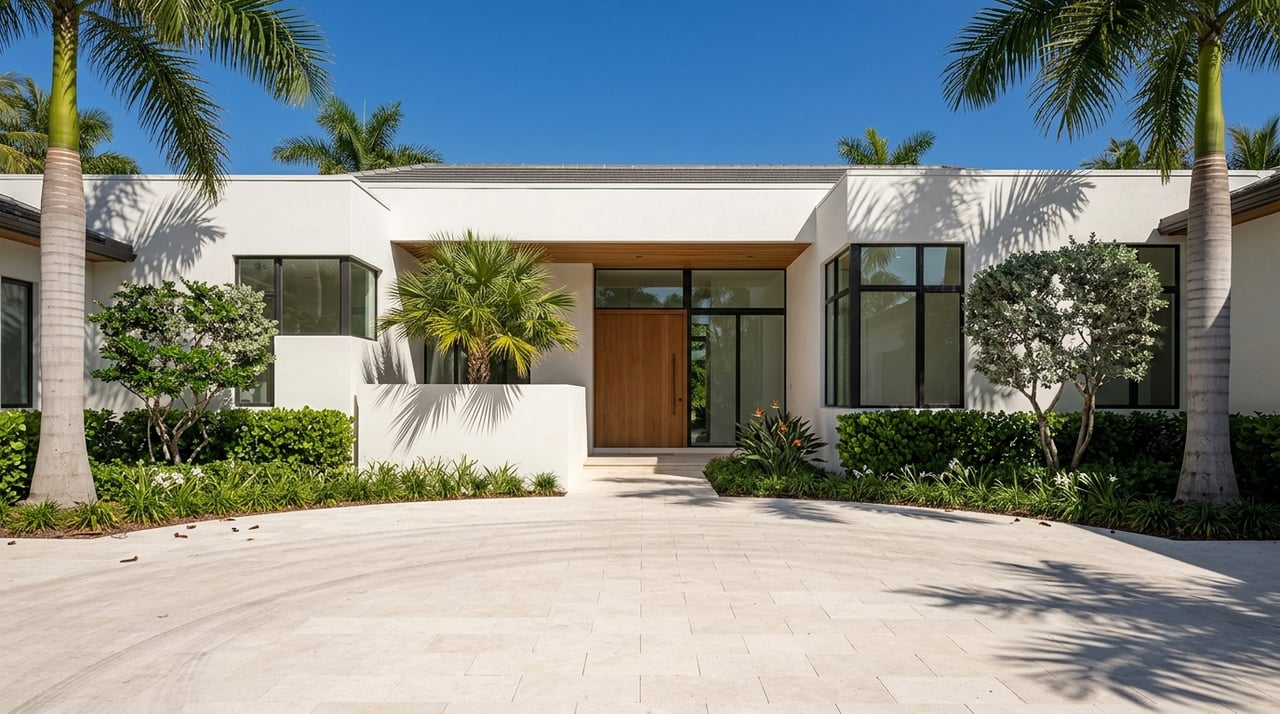
Selling a long-held home in Ponce-Davis can feel simple on paper and surprisingly complex in real life. You may be balancing family decisions, privacy concerns, property upkeep, and the question of how much preparation is actually worth doing before you list. With estate-scale homes, the details matter. This guide will help you plan a thoughtful sale, avoid common pre-listing issues, and choose a strategy that fits both your timeline and your comfort level. Let’s dive in.
Why Ponce-Davis Requires Careful Planning
Ponce-Davis is not a typical high-turnover neighborhood. Miami-Dade’s annexation report describes the area as a low-density enclave of about 675 acres, with 95% single-family residential land use and about 78% owner-occupied housing.
That context matters when you sell. In a neighborhood shaped by estate properties and long-term ownership, buyers are often selective, and presentation can influence how quickly a home gains traction. A thoughtful sale plan helps you prepare for that more discerning process.
Countywide, Miami-Dade single-family homes posted a median sale price of $680,000 in May 2026, with a median time to contract of 41 days, a median time to sale of 80 days, and 5.2 months of inventory. MIAMI REALTORS characterizes that inventory level as a seller’s market, but an estate-scale Ponce-Davis home may still require a more tailored launch than the county average.
Start With the Right Sale Strategy
Before you paint, stage, or schedule photography, it helps to decide what kind of sale process you want. In Ponce-Davis, that usually means weighing privacy, timing, and the amount of pre-listing work the property may need.
Some sellers want broad exposure from day one. Others prefer a more discreet path that allows for private showings, early pricing feedback, or time to finish preparation before a public launch.
Public Listing vs Private Launch
Compass describes Private Exclusives as a way to share a home with its network of agents and serious buyers without public days on market or public price-drop history. Compass also notes that homes can be shown privately while repairs or improvements are still underway.
For some Ponce-Davis sellers, that can be useful when family logistics, privacy, or price discovery are top priorities. The tradeoff is straightforward: a private-first launch generally means less initial public reach, so it works best when you set a clear decision point for whether the property should later move to the open market.
When Discretion May Matter Most
A private-first approach can be especially helpful if your home is occupied, if the sale involves multiple family members, or if the property needs light work before polished marketing begins. It may also suit sellers who want to test pricing and presentation before making the listing fully public.
In a neighborhood like Ponce-Davis, where homes are often distinctive and ownership is more established, a measured rollout can support a calmer process. The key is to treat discretion as part of a larger plan, not as a substitute for one.
Decide What to Fix Before Selling
One of the biggest questions in any estate sale is whether to renovate, refresh, or sell as-is. In many cases, the answer is not a full renovation. It is a focused plan that improves visible condition, addresses documentation issues, and avoids unnecessary delays.
Miami-Dade warns that many types of work require permits, including alterations, repairs, demolitions, and most electrical, gas, mechanical, or plumbing changes. Work completed without required permits can create fines, corrections, or complications during the sale process.
What “As-Is” Really Means in Florida
An as-is sale in Florida does not remove your disclosure duties. Florida courts hold that sellers must disclose known facts that materially affect value and are not readily observable.
That means selling as-is can still be a smart option, but it is not a shortcut around known issues. If your property has a condition concern, pending code matter, or other material fact that a buyer would not easily see, it needs to be handled carefully and disclosed properly.
Focus on Visible, High-Impact Improvements
For many Ponce-Davis homes, the safest pre-sale budget is often directed toward marketability rather than major structural redesign. That can include:
- Decluttering and storage
- Deep cleaning
- Interior painting
- Landscaping refreshes
- Minor roofing or HVAC repairs
- Kitchen or bathroom cosmetic improvements
- Seller-side inspections
- Staging and photography preparation
Compass Concierge identifies these categories as among the services it may cover, with repayment generally due when the home sells, the listing ends, or 12 months pass from the start date, subject to market-specific terms. For the right seller, that can create flexibility for presentation-focused work.
Clean Up Permits and Paperwork Early
In Ponce-Davis, paperwork can be just as important as paint color. Estate-scale properties often have older improvements, additions, landscape work, detached suites, or other features that deserve review before you go to market.
Starting early gives you more control. It also reduces the risk of scrambling through permit questions after a buyer is already under contract.
Build a Document Packet
A strong pre-listing file may include:
- Prior permits
- Final inspection records
- Survey or plat
- Warranties
- Service records
- Landscape or tree permits
- Guesthouse or ADU certificates of use, if applicable
- HOA disclosure documents, if applicable
- Any code enforcement notices or related materials
This kind of document packet supports a more organized sale. It can also help answer buyer questions faster and keep due diligence moving.
Watch for Unpermitted Work
Miami-Dade notes that unpermitted work can create problems when selling and may require existing work to be opened, corrected, or otherwise addressed. That is why permit cleanup often deserves more attention than ambitious remodeling right before listing.
If your home has older changes that were made over time, it is wise to review them before marketing begins. A calm review now is usually easier than a rushed response later.
Verify Guesthouses and ADUs
If the property includes a detached suite, guesthouse, or converted structure, do not assume it will be viewed as simple bonus space. Miami-Dade makes clear that accessory dwelling units and similar uses are regulated and may require zoning compliance and a certificate of use.
For buyers considering flexibility of use, this is an important point. Verifying status in advance can prevent confusion during showings and negotiations.
Treat Tree Work as a Timeline Item
In Ponce-Davis, landscaping can shape first impressions in a major way. Mature trees, privacy hedges, and broad lots are part of the area’s character, but they can also affect your pre-sale schedule.
Miami-Dade states that tree removal or relocation typically requires a permit unless exempt, and the county notes a processing time of about 21 days. After-the-fact permits can carry higher fees, and pruning is only exempt when done correctly.
That means tree work should not be treated like a last-minute cosmetic touch. If your sale plan includes opening up the front elevation, addressing storm damage, or relocating landscaping, build that time into your preparation calendar early.
Plan a Realistic Timeline
Thoughtful estate sales rarely happen well on a rushed deadline. Between repairs, permit review, staging, photography, document collection, and possible private-market testing, it can take weeks to prepare properly.
A realistic timeline often looks more polished and less stressful than a fast one. It also gives you room to make decisions based on strategy instead of urgency.
A Simple Pre-Listing Sequence
Here is a practical order of operations for many Ponce-Davis sellers:
- Review your goals, timing, and privacy needs.
- Audit permits, disclosures, and property documents.
- Identify visible repairs and presentation updates.
- Confirm any guesthouse, ADU, or accessory-use compliance.
- Schedule landscaping or tree-related work early.
- Complete cleaning, staging, and photography prep.
- Decide whether to begin privately or launch publicly.
- Gather market feedback and adjust if needed.
This sequence helps keep your decisions aligned. It also reduces the chance that one unresolved issue delays everything else.
Price and Presentation Work Together
In an estate enclave like Ponce-Davis, pricing is not just about square footage or county medians. It is also about how the home shows, how complete the documentation is, and whether the property enters the market with confidence.
When presentation is polished and the sale path is clear, buyers can focus on the home itself rather than the unanswered questions around it. That is especially important in the upper tiers of Miami-Dade, where the buyer pool is narrower and expectations are higher.
MIAMI REALTORS reported a $4.1 million luxury threshold for Miami-Dade single-family homes in Q1 2026, and noted that South Florida averages one $10 million home sale per day. In that context, thoughtful preparation is not just cosmetic. It is part of how premium homes are evaluated.
A Thoughtful Sale Is a Strategic Sale
The best estate sales in Ponce-Davis usually do not begin with a rush to market. They begin with a clear-eyed review of the property, a plan for disclosures and documents, and a launch strategy that respects both the home and your priorities.
If you are deciding whether to refresh, sell as-is, or begin privately, careful guidance can make the process feel much more manageable. For a discreet, strategic conversation about your next steps, request a private consultation with Renier Casanova.
FAQs
What makes a Ponce-Davis estate sale different from a typical Miami-Dade home sale?
- Ponce-Davis is a low-density, mostly single-family enclave with a high rate of owner occupancy, so estate-scale homes there often benefit from more careful preparation, pricing, and presentation.
Can you sell a Ponce-Davis home as-is in Florida?
- Yes, but Florida sellers still must disclose known facts that materially affect value and are not readily observable, even in an as-is sale.
What property documents should you gather before listing a home in Ponce-Davis?
- Useful pre-listing documents may include permits, final inspections, surveys, warranties, service records, tree permits, HOA disclosures, certificates of use, and any code enforcement materials.
Do tree changes at a Ponce-Davis property require Miami-Dade permits?
- Miami-Dade says tree removal or relocation generally requires a permit unless exempt, so tree work should be planned early rather than left until the last minute.
Should you use a private listing strategy for a Ponce-Davis home sale?
- A private-first strategy may suit sellers who value discretion, need time for repairs, or want early feedback, but it also reduces initial public exposure and should be part of a defined launch plan.
What kinds of pre-sale improvements often make sense for a Ponce-Davis home?
- Light, visible improvements such as cleaning, decluttering, painting, landscaping, staging, and minor repairs often make more sense than major work that could trigger permit delays or new complications.