If you own a Miami waterfront home, timing is not a small detail. It can shape who sees your property, how quickly it gains traction, and whether buyers connect with the lifestyle your home is meant to offer. In a market where presentation and first impressions matter, choosing the right moment to list can help you launch with more confidence and less guesswork. Let’s dive in.
Why timing matters in Miami
Miami waterfront real estate does not move on market data alone. It also moves with travel patterns, seasonal events, and the times of year when buyers are physically in town and actively experiencing the city. That matters because many waterfront buyers are not only purchasing a home, but also buying into boating access, outdoor living, and a certain rhythm of life.
Miami also remains a globally watched market. Miami International Airport handled 55.2 million passengers in fiscal year 2025, including 12.5 million international enplanements, and visitor spending reached $21.3 billion for the year ending June 2025. For sellers, that helps explain why the right launch window can bring stronger attention from both domestic and international buyers.
Best time to list a Miami waterfront home
For most waterfront sellers, the strongest exposure window is late November through March. If your home is fully market-ready, January and February are often the most defensible months to launch.
That timing lines up with Miami’s winter event calendar, including Art Basel Miami Beach, the Discover Boating Miami International Boat Show, the South Beach Wine & Food Festival, and the Coconut Grove Arts Festival. These events bring affluent visitors and seasonal residents into the market at a time when Miami’s weather and waterfront lifestyle are especially easy to showcase.
Why January and February stand out
January and February give you a rare mix of fresh buyer attention and strong lifestyle visibility. Buyers are often back in market mode after the holidays, and Miami’s winter season creates natural energy around luxury real estate.
For waterfront homes, February can be especially powerful because of the boat show. If your dock, water access, or boating setup is a major part of your property’s appeal, listing during that period can help buyers connect your home to the marine lifestyle they are actively exploring.
The spring backup window
If your home is not ready for a winter launch, March through May can still be a strong second window. This period tends to work well for properties that shine through outdoor entertaining areas, waterfront views, dock access, and visible boating activity.
Spring still brings major draws such as the Miami Open, Ultra Music Festival, Miami Beach Pride, and the Miami Grand Prix. That keeps affluent visitor traffic elevated before hurricane season begins, which can support momentum for a polished launch.
What the current market suggests
The broader Miami-Dade market offers an important lesson: a weak debut can be costly. In January 2026, Miami-Dade single-family inventory stood at 5,433 homes with 6.4 months of supply, which MIAMI Realtors described as a balanced market.
Balanced does not mean forgiving. It means buyers have options, and your listing may need sharper pricing, cleaner presentation, and a more intentional rollout to stand out.
By February 2026, the Miami-Dade single-family median sale price had risen 4.58% year over year to $685,000. The median home received 94% of original list price, and the median time to contract was 55 days. In March 2026, single-family sales rose 10.61% year over year, while $1 million-plus single-family sales rose 19.83%.
Why luxury timing deserves extra care
Waterfront homes often sit squarely in Miami’s luxury segment, where buyer expectations are higher and the audience is more selective. MIAMI Realtors reported that Miami-Dade’s 2025 luxury threshold reached $3.4 million, while the uber-luxury threshold reached $10.4 million.
The same report noted 114 single-family sales at $10 million or more, and million-dollar single-family homes accounted for 55% of total dollar volume. In other words, upper-tier homes are a major force in the county, but they still benefit from careful timing, privacy strategy, and strong storytelling.
Waterfront homes follow a lifestyle calendar
A waterfront property asks buyers to picture more than square footage. They need to imagine mornings on the dock, sunset entertaining, weekends on the bay, and the convenience of direct water access. That is why your listing calendar should reflect the moments when Miami is showcasing that lifestyle at its best.
Winter and early spring tend to do that most clearly. The city is active, the weather is inviting, and the boating and outdoor scene is visible in real time. For many buyers, that emotional connection matters just as much as the data.
When boating lifestyle is the key selling point
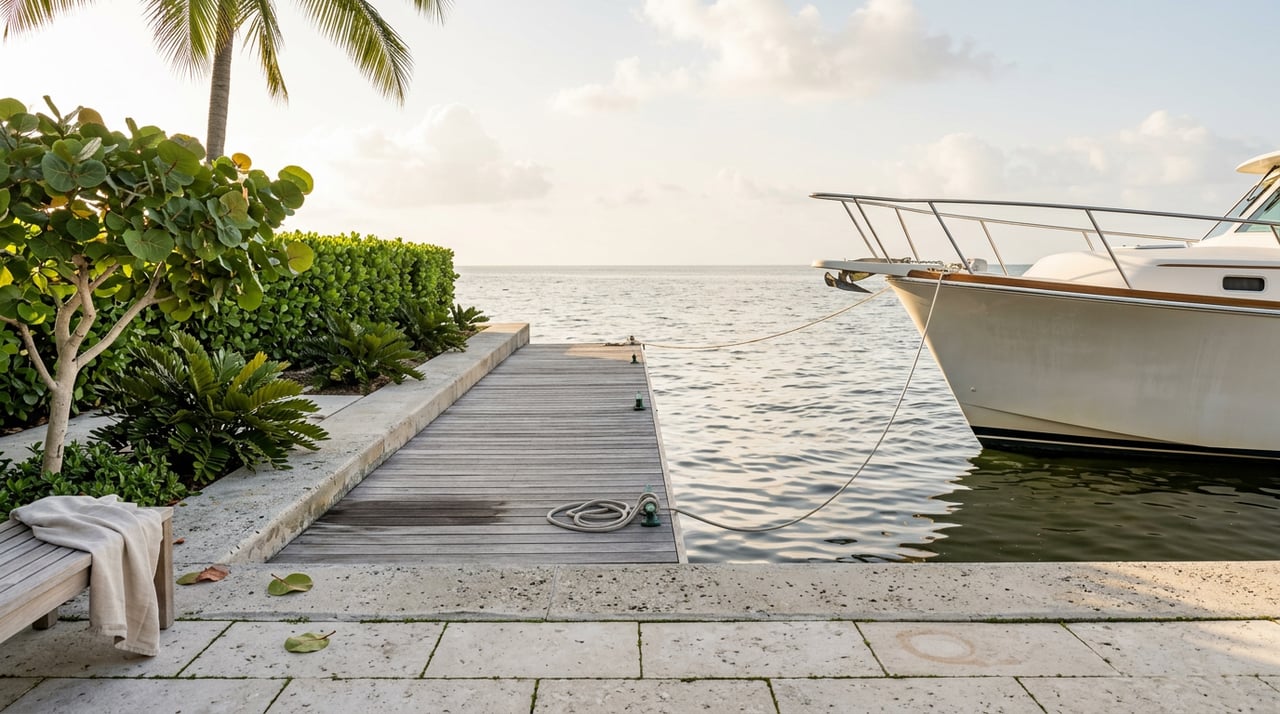
If your home’s value is closely tied to boating, dockage, or marine access, a February launch can be especially effective. The boat show period naturally places attention on vessels, waterfront access, and the broader boating lifestyle.
That said, waiting is not always the right move. If your property is ready in late fall or January, and winter tourism is already strong, it may be better to launch earlier rather than hold the home back for one specific event window.
Summer and fall require a different approach
Listing from June through November is not off the table, but it does call for more discipline. Atlantic hurricane season runs from June 1 through November 30, and weather conditions on the water can change quickly.
For waterfront sellers, that does not mean buyers disappear. It means your preparation, visuals, maintenance, and showing strategy need to be especially sharp. A home listed in this period should feel complete, well-managed, and ready for scrutiny.
What to tighten up before a summer launch
If your ideal public debut falls in summer or early fall, focus on reducing uncertainty for buyers. Waterfront buyers tend to notice exterior condition quickly, especially when dock features, landscaping, seawall condition, and outdoor entertaining spaces are central to the home’s value.
A tighter launch often includes:
- Completing repairs well before photography
- Refreshing paint, flooring, or staging where needed
- Making dock and exterior areas look clean and functional
- Scheduling photography during favorable weather and light
- Presenting the home only once it feels fully polished
Start planning earlier than you think
The best waterfront launches are usually built backward from the go-live date. That means deciding when you want to hit the market, then mapping out staging, repairs, landscaping, photography, and marketing in advance.
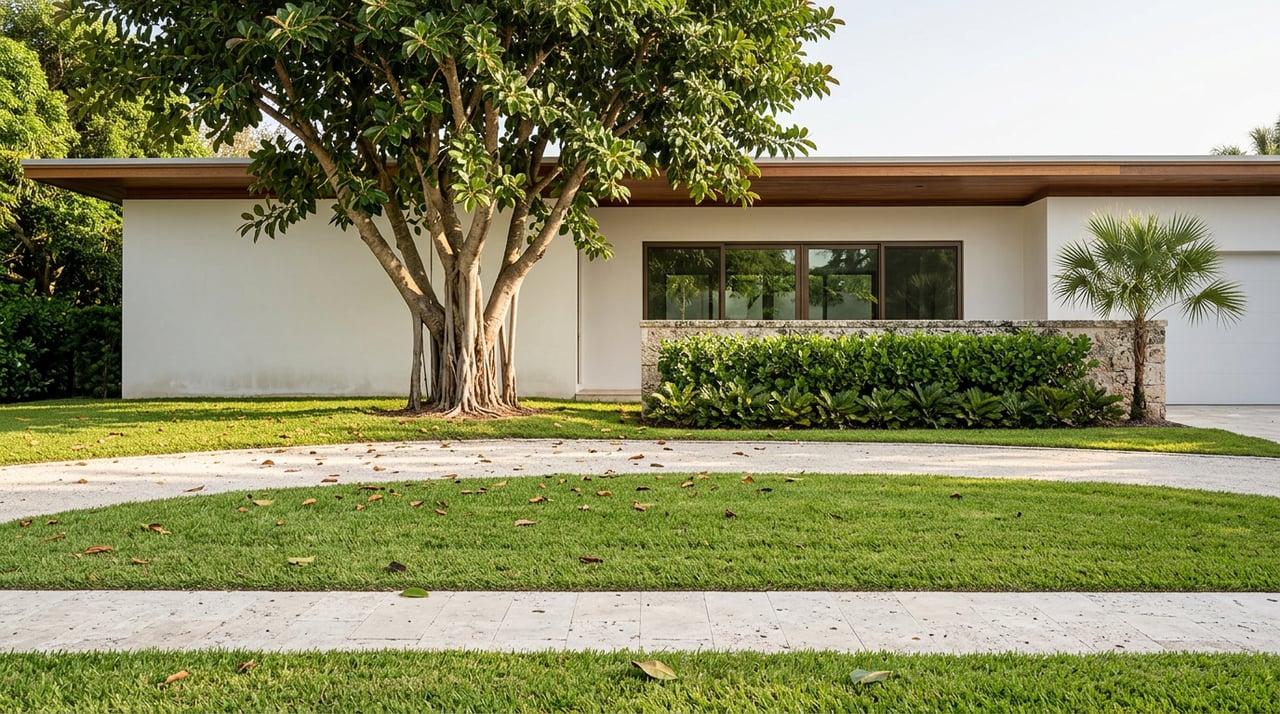
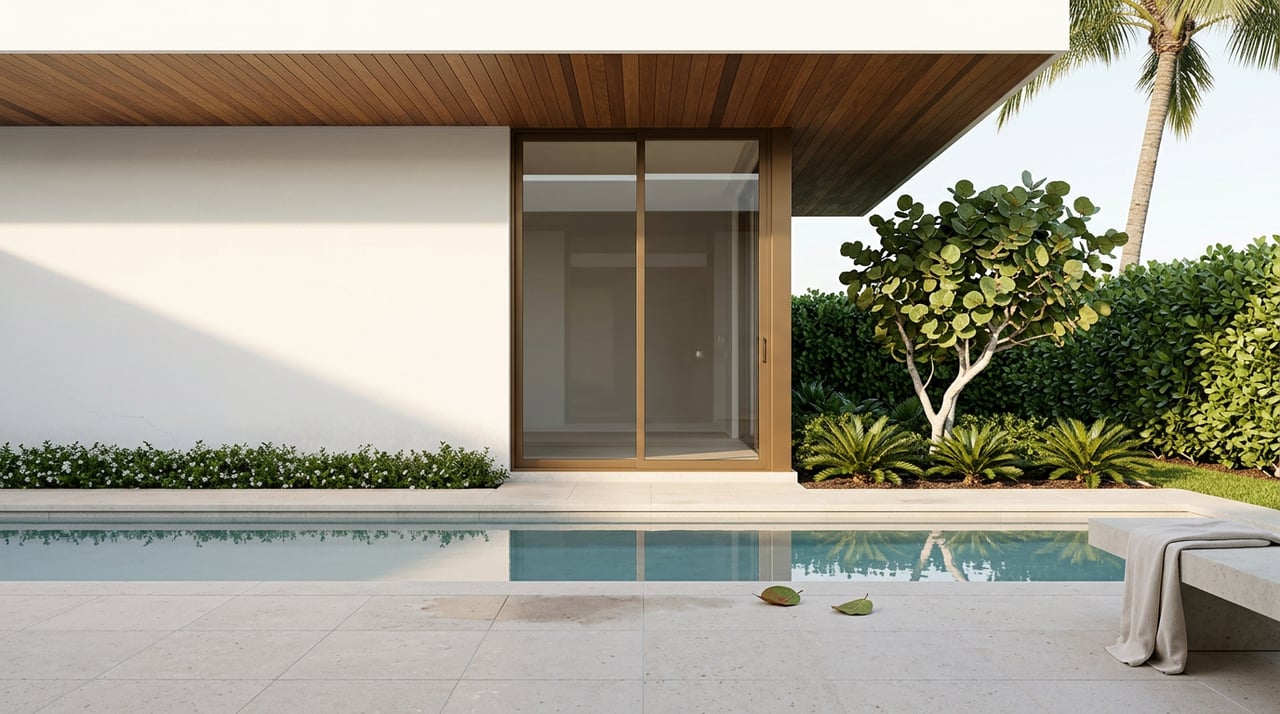
This is especially important in Miami, where exterior presentation carries so much weight. A dock, pool deck, lawn, hedges, and waterfront views can all influence perception before a buyer ever steps inside.
A more strategic launch sequence
For many luxury sellers, a phased rollout can create more control. Compass tools support that kind of sequence, beginning with Private Exclusive, moving into Coming Soon, and then going public once the home is fully ready.
That approach can be useful for waterfront properties because they often need extra time for detail work. It also gives you a chance to build interest without rushing the home onto the market before presentation is where it should be.
Private Exclusive for privacy and feedback
If you value discretion or still need prep time, Private Exclusive can be a practical first step. Compass says this format can help sellers test pricing, build anticipation, and avoid public days on market and visible price-drop history.
For high-end homes in particular, that can support a calmer and more curated process. It allows the launch to feel intentional rather than reactive.
Concierge for pre-sale improvements
Compass Concierge can front the cost of eligible improvements such as staging, flooring, and painting, with zero due until closing. For waterfront sellers, that can help address presentation details that materially affect buyer response.
Used thoughtfully, this kind of support can make timing more flexible. It does not replace strategy, but it can help you get to market in stronger condition.
Bridge Loan for move-up planning
Some sellers are also buying their next home while preparing to sell. Compass Bridge Loan Services may help eligible clients front up to six months of loan payments, subject to lender approval.
That can ease the transition, but it should be viewed as a financial tool, not a substitute for listing at the right time. Market timing and launch quality still matter.
Coral Gables and Coconut Grove timing nuance
Not every waterfront submarket behaves the same way. Coral Gables and Coconut Grove, in particular, deserve a more tailored strategy.
Coral Gables rewards a polished debut
In Q4 2025, Coral Gables generated $383.8 million in single-family dollar volume, up 66.9% year over year, with 92 new pending sales and 5.4 months of supply. That was tighter than Miami citywide, which stood at 8.2 months of supply in the same report.
For a waterfront or near-waterfront seller in Coral Gables, that suggests local competition may be more focused and more presentation-sensitive. A well-prepared launch can help you take full advantage of that environment.
Coconut Grove often favors discretion
Coconut Grove remains an important ultra-luxury anchor, and MIAMI Realtors identified Banyan Ridge in Coconut Grove as a record-setting sale at $101.5 million. In this type of market, privacy and story-driven marketing can matter as much as broad exposure.
If your home sits in the upper tier, a private or phased launch may be worth serious consideration. The goal is not just visibility, but the right visibility.
So when should you list?
For most Miami waterfront homes, the best answer is simple: aim for late November through March, with January and February as the strongest launch window if the property is truly ready. If winter is not realistic, March through May is the next best option, especially for homes that show beautifully through outdoor living and boating access.
What matters most is not choosing a trendy week on the calendar. It is matching your launch date to your home’s level of preparation, your privacy preferences, and the kind of buyer you want to reach.
If you are thinking about selling a waterfront property in Coral Gables, Coconut Grove, or another premier Miami neighborhood, a measured plan can make all the difference. For a discreet, data-driven strategy tailored to your property, connect with Renier Casanova.
FAQs
When is the best month to list a Miami waterfront home?
- For many sellers, January and February are the strongest months if the home is market-ready, with late November through March offering the best overall exposure window.
Should a Miami waterfront seller wait for boat show season?
- If dockage, water access, and boating lifestyle are central to the property’s appeal, a February launch can be powerful, but a ready home in late fall or January may perform better than waiting.
Is spring a good time to list a Miami waterfront property?
- Yes. March through May can work well for homes that highlight outdoor living, water views, and active boating conditions before hurricane season.
Is it risky to list a Miami waterfront home during hurricane season?
- Summer and fall are possible, but they require stronger preparation because Atlantic hurricane season runs from June 1 through November 30 and waterfront conditions can change quickly.
Should a luxury Miami waterfront home be listed privately first?
- For sellers who value privacy or still need time for final improvements, a Private Exclusive can help gather pricing feedback and build interest without public days on market.
How early should you prepare before listing a Miami waterfront home?
- The strongest approach is to begin well before your target launch so repairs, staging, landscaping, photography, and any Concierge-supported work are finished before the home goes public.